
Foods Journey Through the Digestive System. Each stage is important and prepares the food for the next stage.
Digestive System Function Organs Anatomy
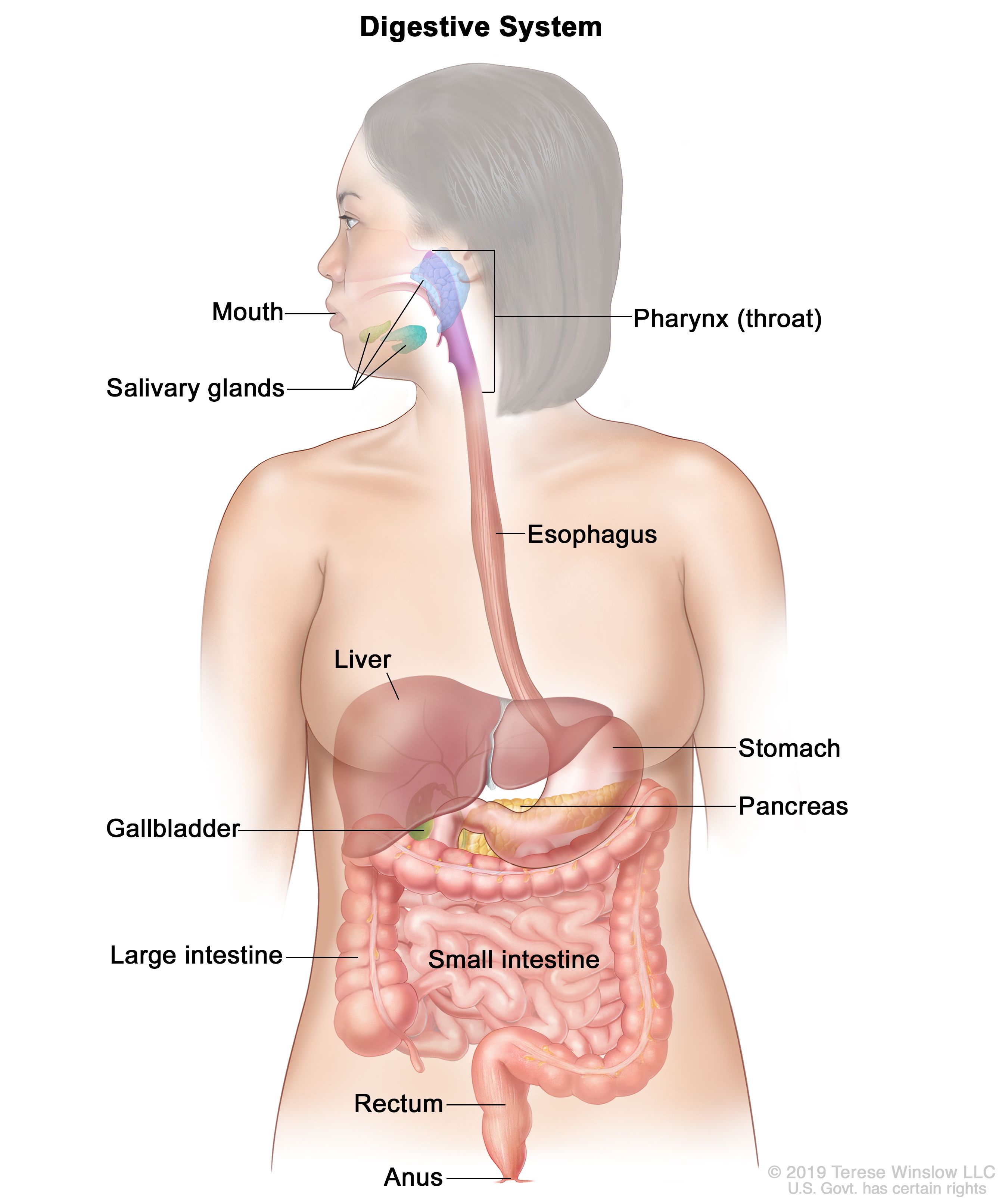
Definition Of Digestive System Nci Dictionary Of Cancer Terms National Cancer Institute

Digestive System Information And Facts National Geographic
The digestive system acts in stages to digest our food.
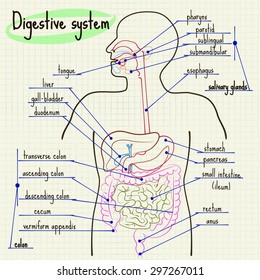
The digestive system. High-fiber foods like fruits vegetables and whole grains make it easier for poop to pass through your system. The mouth is the beginning of the digestive system and in fact digestion starts here before you even take the first bite of a meal. The digestive system is the series of tubelike organs that convert our meals into body fuel.
The GI tract is a series of hollow organs that are connected to each other from your mouth to your anus. Find out how the digestive system works from start to finish in this video. Even before you eat when you smell a tasty food see it or think about it digestion begins.
The human digestive system consists primarily of the digestive tract or the series of structures and organs through which food and liquids pass during their processing into forms absorbable into the bloodstream. In this process enzymes are secreted into the environment surrounding the organism where they break down an organic material and some of the products diffuse back to the. Digestive systems take many forms.
Food passes through a long tube inside the body known as the alimentary canal or the gastrointestinal tract GI tract. Have you ever wondered what happens to the food once it enters your body. The digestive system includes all the parts of your body that are.
Alcoholic Fatty Liver Disease see Fatty Liver Disease. Digestive System Digestion is a complex process involving a wide variety of organs and chemicals that work together to break down food absorb nutrients and eliminate wastes. Digestive System Topics.
So even before you take a bite your digestive system has swung into action. Your digestive system is made up of the gastrointestinal GI tract and your liver pancreas and gallbladder. The digestive system is a.
What is the process of digestion. A fresh-baked apple pie has just come out of the oven. Introduction to the Digestive System.
Dig That Digestive System. The digestive system is made up of the gastrointestinal tractalso called the GI tract or digestive tractand the liver pancreas and gallbladder. There are about 30 feet 9 meters of these convoluted pipeworks starting with the mouth and ending.
The GI tract is a series of hollow organs joined in a long twisting tube from the mouth to the anus. Your digestive system is uniquely designed to turn the food you eat into nutrients which the body uses for energy growth and cell repair. The system breaks down food extracts nutrients from it and converts them into energy.
Human digestive system system used in the human body for the process of digestion. Alagille Syndrome see Liver Diseases. The digestive tract also called the alimentary canal or.
Once the food enters the mouth chewing mastication breaks food into smaller particles that can be more easily attacked by the enzymes in saliva. External digestion developed earlier in evolutionary history and most fungi still rely on it. Weakness of the valve between the esophagus and stomach may allow stomach acid to reflux regurgitate backup into the esophagus and irritate and inflame the lining.
Saliva is released by the salivary glands into our oral cavity when we smell food. The meaning of digestive system is the bodily system concerned with the ingestion digestion and absorption of food and the discharge of residual wastes and consisting of the digestive tract and accessory glands such as the salivary glands and the pancreas that secrete digestive enzymes. You can help your digestive system by drinking water and eating a healthy diet that includes foods rich in fiber.
Try Creative Coding for free. Previous Next 1 of 7 Your digestive system gears up. Heres how it works.
Here are the major stages of the digestive system. Just the sight and smell of it are enough to make you start salivating. The digestive system includes the digestive tract and its accessory organs which process food into molecules that can be absorbed and utilized by the cells of the body.
The entire length of our digestive system is around 20 to 30 feet. The digestive system is a group of organs working together to convert food into energy and basic nutrients to feed the entire body. The mouth is the entry point for food but the digestive system often gets ready before the first piece of food even enters our mouth.
Check out our Patreon page. Connect coding to any subject and encourage students of all levels to discover computer programming. Find out how digestion happens and what nutrients saliva and enzymes do for you.
Acid Reflux see GERD. The digestive system serves the role of taking in nutrients eliminating waste and absorbing and using the nutrients we take in. This activity will teach students more about the system that breaks down food so your body can use it.
There is a fundamental distinction between internal and external digestion. Larger text size Large text size Regular text size. The mouth is the beginning.
The human digestive system is the means by which tissues and organs receive nutrients to function. The organs that make up your GI tract in the. Digestive system diseases Gastroesophageal Reflux Disease GERD Severe heartburn in laymens language.
Achalasia see Esophagus Disorders. Food is broken down bit by bit until the molecules are small enough to be absorbed and the waste products are eliminated. Binocs will explain the diffe.
Acute Pancreatitis see Pancreatitis.
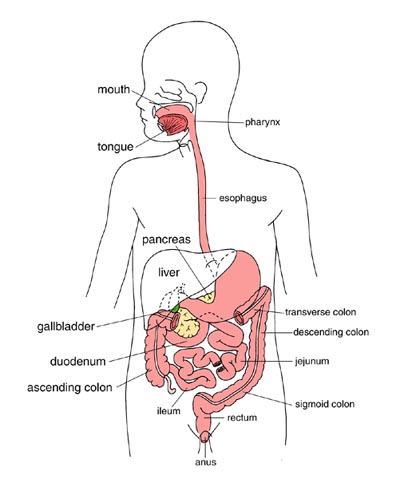
Overview Of The Digestive System Children S Wisconsin
Digestive System Drawing Images Stock Photos Vectors Shutterstock
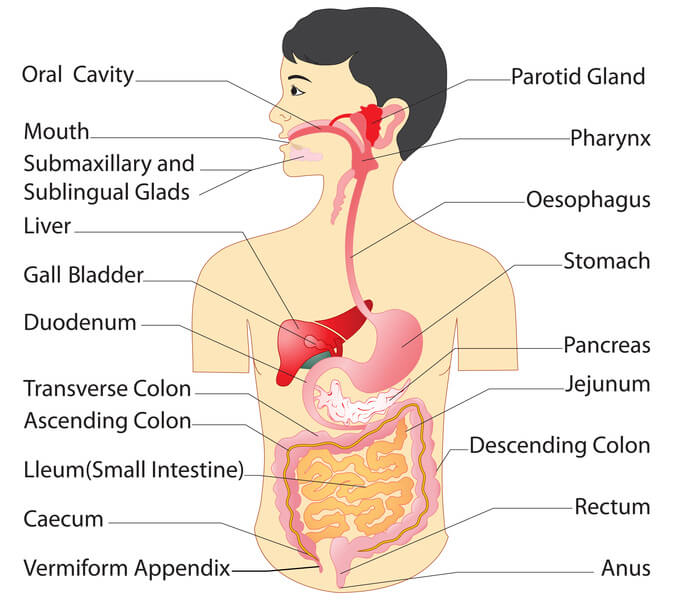
Digestive System 101

Digestive System Healthdirect
/digestive_system-5a060e8822fa3a00369da325.jpg)
Digestive System Explained Organs And Digestion
Digestive System


11 Digestive System Parts Definition Functions And Organs
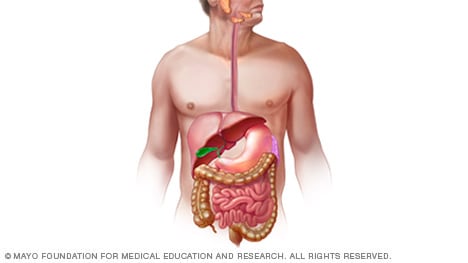
Slide Show See How Your Digestive System Works Mayo Clinic


